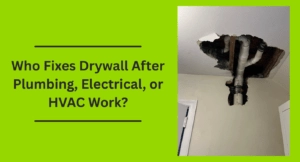

If your walls still look uneven after painting, the problem isn’t the paint—it’s the prep. Proper patching and painting is the key to fixing holes, cracks, and surface flaws so your walls look smooth, clean, and brand new.
The Truth Most Homeowners Learn Too Late
You can buy the best paint.
Use the right color.
Even hire a painter.
…and your walls can still look bad.
Why?
👉 Because painting is only as good as the surface underneath it.
The real secret to a flawless room isn’t just paint, it’s proper patching, preparation, and professional touch-ups.
Why Walls Look Bad After Painting
Most paint problems aren’t paint problems; they’re drywall problems.
Common issues include:
- Small holes from nails or anchors
- Cracks in seams or corners
- Uneven patches from previous repairs
- Texture inconsistencies
- Poor sanding or prep work
👉 Paint doesn’t hide these; it actually makes them more visible.
What “Patch and Paint” Really Means
A true patch and paint job isn’t just covering damage.
It’s a multi-step finishing process:
Step 1: Surface Repair
- Fill holes, dents, and cracks
- Reinforce weak areas
- Apply proper compounds
Step 2: Sanding & Smoothing
- Level the surface
- Remove imperfections
- Prep for seamless blending
Step 3: Texture Matching
- Match existing wall or ceiling texture
- Blend repaired areas into surrounding surface
Step 4: Priming
- Seal repaired areas
- Prevent flashing (visible patch spots)
Step 5: Precision Painting
- Blend color evenly
- Feather edges for invisible transitions
👉 Done correctly, you should never see where the repair was.
The #1 Mistake: Skipping the Patch Work
Many homeowners skip proper prep and go straight to painting.
The result?
❌ Visible patches
❌ Uneven surfaces
❌ Light reflecting differently across the wall
❌ A “cheap” finished look
👉 This is why patching is the most critical step.
When Touch-Ups Work (And When They Don’t)
Touch-up painting sounds simple, but it only works under specific conditions.
Touch-ups work when:
✔ The original paint is still fresh
✔ You have the exact same paint
✔ The wall is in good condition
Touch-ups fail when:
❌ Paint has faded
❌ Surface damage wasn’t repaired properly
❌ Texture doesn’t match
❌ Large areas are affected
👉 In many cases, what seems like a “touch-up” actually requires patch + repainting the full wall.
Why Professional Patch + Paint Makes the Difference
A professional drywall and paint specialist ensures:
- Seamless repairs (no visible lines or patches)
- Perfect texture matching
- Consistent paint finish across the entire wall
- Clean, dust-controlled work
The goal is simple:
👉 Make it look like nothing ever happened.
Common Situations PatchMaster Handles
We regularly provide patch and paint services for:
- Nail holes and wall damage
- Cracks in ceilings and corners
- Drywall repairs after plumbing or electrical work
- Moving damage (furniture, anchors, TV mounts)
- Preparing homes for sale
👉 Many jobs can be completed quickly and professionally in one visit.
How Much Does Patch and Paint Cost?
Costs vary depending on:
- Size and number of repairs
- Texture matching needs
- Paint coverage required
👉 Investing in proper prep prevents costly rework later.
What a Flawless Finish Should Look Like
After a professional job:
✔ No visible patches
✔ No texture differences
✔ No flashing or dull spots
✔ Smooth, consistent color
If you can spot the repair, the job isn’t finished.
🚨 Get a Flawless Finish Without the Hassle
If your walls need patching, repainting, or touch-ups, don’t settle for a finish that looks “good enough.”
👉 Request a fast, no-obligation quote today
We provide expert patch and paint services across 200+ territories in North America—with results that look brand new.