
A hole in your wall can happen in seconds — moving furniture, an accidental bump, a door handle impact, plumbing work, or everyday wear and tear. While some wall damage may seem minor at first, even small holes can affect your home’s appearance and become more noticeable over time.
The good news is that most drywall damage can be repaired quickly and professionally, often restoring the wall to a like-new condition.
In this guide, we’ll walk through:
- Common causes of drywall damage
- Different types of wall holes
- DIY repair tips
- When hiring a professional makes sense
- What to expect during drywall repair
- How professional painting creates a seamless finish
If you’re searching for drywall repair, sheetrock repair, or wall patching services, this guide will help you understand the best next steps.
Common Causes of Holes in Walls
Drywall damage is one of the most common household repair issues homeowners experience.
Some of the most frequent causes include:
- Furniture and Moving Damage: Beds, couches, tables, and appliances can easily scrape or puncture drywall during moves or when rearranging furniture.
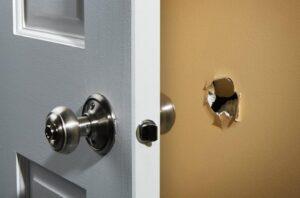
- Door Handle Impacts: Without a doorstop, repeated impa cts from a doorknob can create cracks or holes over time.
- Water Damage: Leaks behind walls can weaken drywall, causing bubbling, soft spots, or holes that require replacement.
- Everyday Accidents: Kids, pets, sports equipment, and accidental impacts are all common causes of wall damage.
- Home Renovation or Electrical Work: Drywall is often cut during plumbing, electrical, or remodeling projects and later needs professional patching and refinishing.
Understanding Different Types of Drywall Damage
Not all wall holes are repaired the same way. The size and severity of the damage determine the proper repair method.
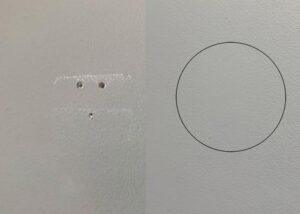 Small Nail and Screw Holes: These cosmetic imperfections are usually straightforward to repair and commonly come from:
- Hanging artwork
- TV mounts
- Shelving
- Curtain rods
Medium Drywall Holes: These often result from accidental impacts and may require:
- Drywall patching
- Joint compound application
- Sanding
- Texture blending
- Repainting
Large Holes and Damaged Sections: Larger drywall damage may require cutting out and replacing portions of the wall or ceiling to ensure a strong, smooth finish.
Cracks or Water-Damaged Drywall: When drywall damage includes cracking, staining, sagging, or softness, there may be an underlying issue that should be addressed before cosmetic repairs begin.
Can You Fix a Hole in the Wall Yourself?
Many homeowners successfully handle minor drywall repairs themselves, especially small nail holes or light dents.
DIY drywall repair can be a great option for:
- Tiny cosmetic damage
- Simple touch-ups
- Small nail or anchor holes
However, drywall repair can become more challenging than expected once texture matching, sanding, paint blending, and achieving a seamless finish come into play.
Even a small patch can stand out if:
- The wall texture doesn’t match
- The paint sheen differs
- The repair isn’t perfectly smooth
- Flashing or visible patch marks appear under lighting
That’s why many homeowners choose professional drywall repair for a cleaner, more polished result.
Why Professional Drywall Repair Makes a Difference
Professional drywall repair is about more than simply filling a hole. The goal is to make the damage disappear completely.
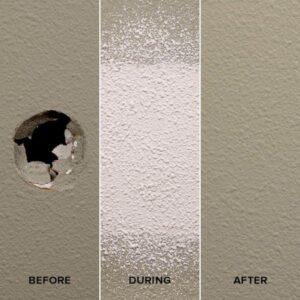
Experienced drywall technicians understand how to:
- Properly patch damaged drywall
- Match existing wall textures
- Blend repairs seamlessly
- Prime and paint correctly
- Prevent visible repair lines or uneven finishes
At PatchMaster, all drywall and painting services are performed by fully insured W-2 employees, never subcontractors. Our teams arrive in branded uniforms, treat your home respectfully, and stand behind every repair with a satisfaction guarantee.
We also provide free estimates, making it easy for homeowners to understand their repair options before any work begins.
The Importance of Paint Matching After Drywall Repair
One of the most overlooked parts of drywall repair is the final paint finish.
Even perfectly repaired drywall can remain noticeable if the paint:
- Doesn’t match correctly
- Has a different sheen
- Was applied unevenly
- Wasn’t blended into the surrounding walls
Professional interior painting helps ensure the repaired area blends naturally with the rest of the room, leaving walls looking smooth, clean, and consistent.
What to Expect During Professional Wall Repair
Depending on the size of the damage, professional drywall repair may include:
- Removing damaged drywall
- Installing a secure drywall patch
- Applying joint compound in layers
- Sanding for a smooth finish
- Matching wall texture (or repainting the area completely)
- Priming and repainting
The goal is always the same: a seamless repair that restores your wall’s appearance as cleanly as possible.
Signs It’s Time to Call a Drywall Professional
You may want to contact a drywall repair specialist if you notice:
- Large holes or cracks
- Water-damaged drywall
- Sagging or soft spots
- Repeated wall damage
- Bubbling paint
- Mold concerns
- Texture matching challenges
- Multiple damaged areas throughout the home
Professional repairs help ensure the issue is handled the first time correctly and can save homeowners time and frustration.
How to Prevent Future Wall Damage
While accidents happen, a few simple steps can help protect your walls:
- Install Door Stoppers: Prevents damage from door handle impacts.
- Use Furniture Pads During Moves: Helps reduce accidental wall scrapes and dents.
- Address Water Leaks Quickly: Moisture can quickly weaken drywall, leading to larger repairs.
- Use Proper Wall Anchors: Heavy items should always be mounted securely.
Schedule Routine Home Maintenance
Small repairs are easier to manage before they become larger problems.
A hole in your wall may seem like a small issue, but quality drywall repair can make a major difference in the appearance of your home.
While some homeowners choose the DIY route for minor repairs, professional drywall repair and interior painting often provide the smoothest, most seamless results, especially for larger holes, texture matching, or visible living areas.
Whether the damage is small or extensive, working with experienced professionals helps ensure your walls look clean, polished, and properly restored.
If you’re dealing with drywall damage, our team is here to help with professional drywall repair, interior painting, free estimates, and service backed by fully insured, trained employees you can trust.
Frequently Asked Questions
- What is the best way to repair a hole in drywall? Small holes can often be repaired with spackle or patch kits, while larger holes may require professional drywall patching and refinishing.
- Can drywall holes be repaired seamlessly? Yes. Professional drywall repair and paint matching can often make wall damage virtually unnoticeable.
- Should I hire a professional drywall repair company? Many homeowners choose professional drywall repair for larger holes, matching texture, water damage, or high-visibility areas where appearance matters.
- How long does drywall repair take? Repair times vary depending on the size and complexity of the damage, as well as drying and painting requirements.
- Do professional drywall companies also provide painting? PatchMaster also offers interior painting services to ensure a seamless final finish.